
Introduction: Agriculture at a Turning Point
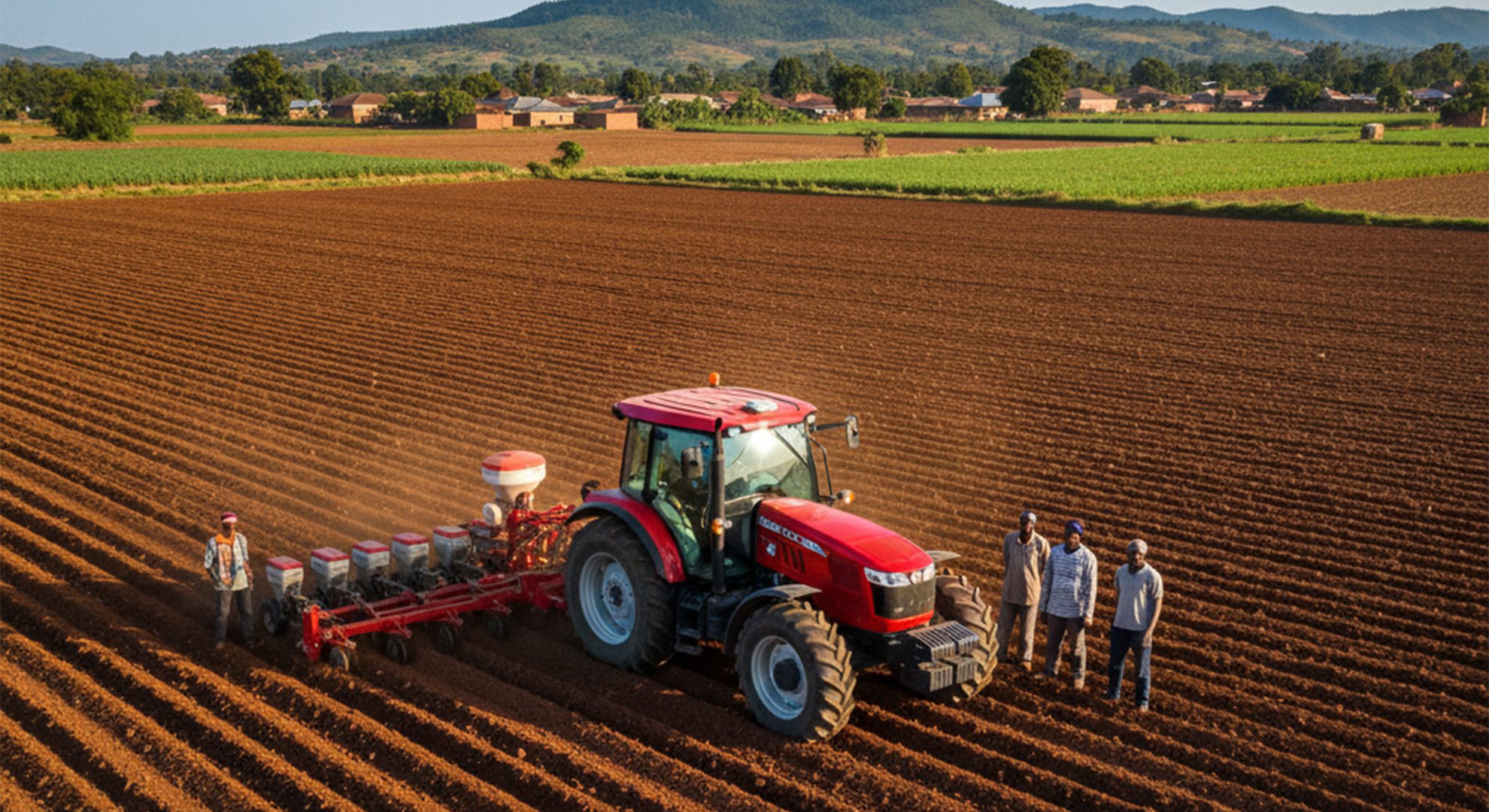
Nigeria’s agricultural sector is undergoing a profound transformation. Once dominated by manual labor and traditional tools, farming in Nigeria is now embracing the power of mechanization—a shift that promises to redefine productivity, profitability, and food security across the nation.
At Kossi Ventures Limited, we recognize that the future of agriculture lies in the efficient use of technology and mechanized equipment. By empowering farmers with access to modern tools, training, and support, we are helping to create a new generation of agripreneurs capable of feeding the nation and competing globally.
The Current State of Agriculture in Nigeria
Agriculture remains the backbone of Nigeria’s economy, employing more than 35% of the population and contributing significantly to GDP. However, despite its potential, the sector still faces critical challenges:
- Reliance on outdated farming methods
- Low mechanization rates (less than 25% of farms use tractors or equipment)
- Post-harvest losses due to inefficiencies
- Labor shortages caused by rural-urban migration
- To unlock the country’s full agricultural potential, mechanization is no longer optional—it is essential.
What is Agricultural Mechanization?
Agricultural mechanization refers to the use of machinery, equipment, and modern technologies to perform agricultural tasks—ranging from land preparation and planting to irrigation, harvesting, and processing.
It involves tools like:
- Tractors and ploughs
- Combine harvesters
- Irrigation systems
- Grain threshers and shellers
- Drones and precision farming sensors
Mechanization doesn’t just replace human labor—it enhances efficiency, productivity, and profitability across every stage of the agricultural value chain.
The Benefits of Mechanized Farming in Nigeria
- Increased Efficiency and Productivity
Mechanized tools can complete tasks in hours that would normally take days manually. For instance, a single tractor can plough 5 hectares per day—boosting efficiency and allowing farmers to manage larger farms with ease.
- Reduced Labor Costs and Time
Mechanization minimizes dependency on manual labor, addressing the growing shortage of farm workers. It also reduces overall production time, enabling multiple planting and harvesting cycles per year.
- Improved Crop Quality and Yield
Precision planting, irrigation, and harvesting tools ensure that crops receive optimal care—resulting in higher yields and better-quality produce suitable for both local and export markets.
- Post-Harvest Loss Reduction
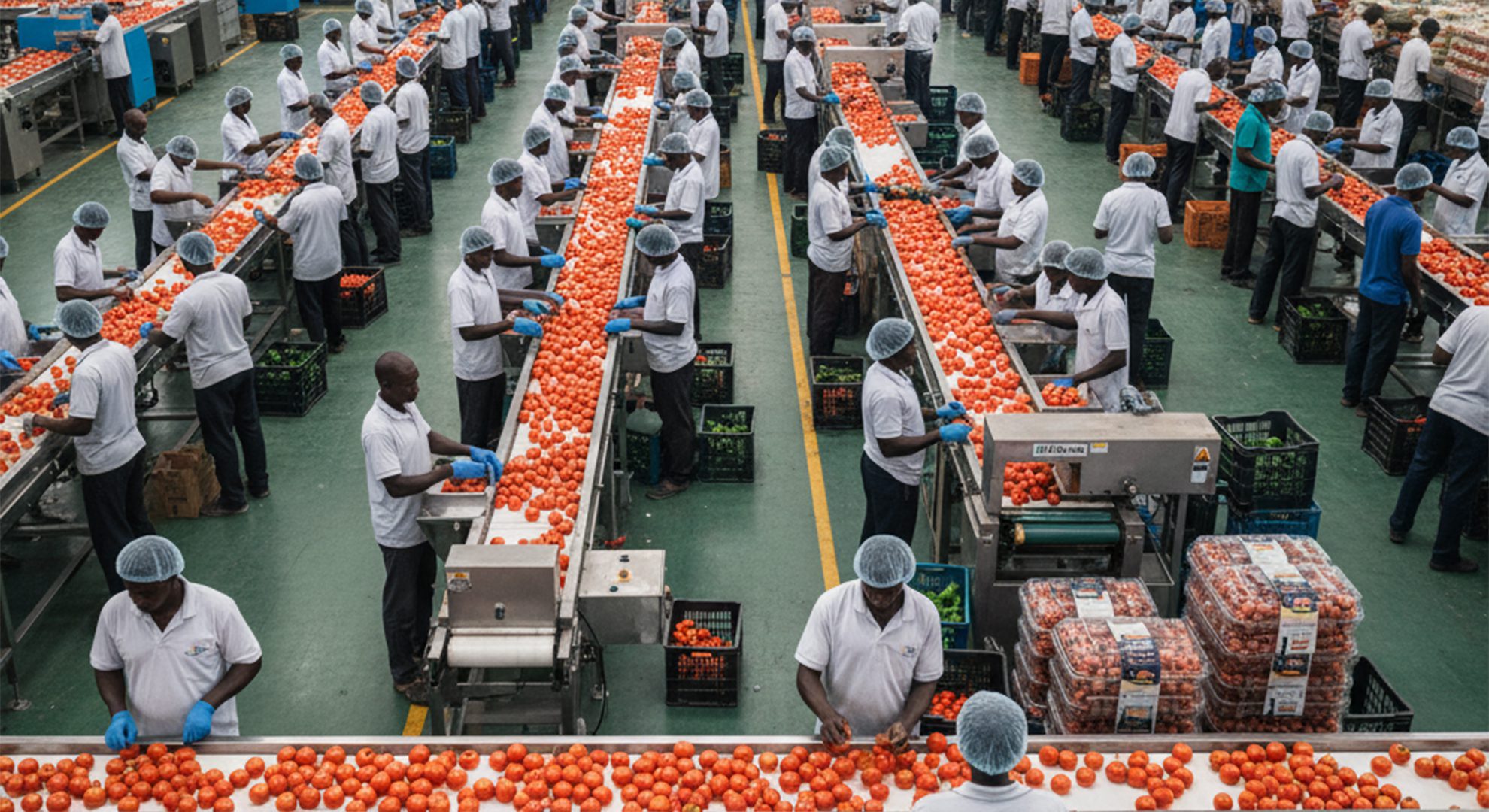
Using mechanical threshers, dryers, and packaging equipment helps reduce post-harvest losses caused by inefficient handling—protecting farmers’ profits and ensuring food availability.
- Empowerment Through Training and Access
When farmers are trained to operate modern equipment effectively, they gain new skills, independence, and the ability to scale their agribusinesses sustainably.
Mechanization and the Role of Technology
Modern agriculture goes beyond tractors. Emerging technologies like drones, sensors, and data-driven farming systems are now part of the Nigerian agricultural landscape.
Drones monitor crop health and soil conditions.
IoT sensors optimize irrigation and fertilizer use.
GPS-guided machinery enhances precision in field operations.
Mobile apps and digital platforms connect farmers with markets and input suppliers.
These innovations help farmers make smarter, faster, and more informed decisions—maximizing efficiency and sustainability.
Kossi Ventures: Driving Mechanization for a Sustainable Future
As a forward-thinking agribusiness, Kossi Ventures Limited is at the forefront of promoting mechanized agriculture in Nigeria.
We are expanding into the importation and supply of agricultural equipment and implements, ensuring that farmers, especially small and medium-scale producers—gain access to reliable, affordable machinery.
Beyond equipment supply, we also provide:
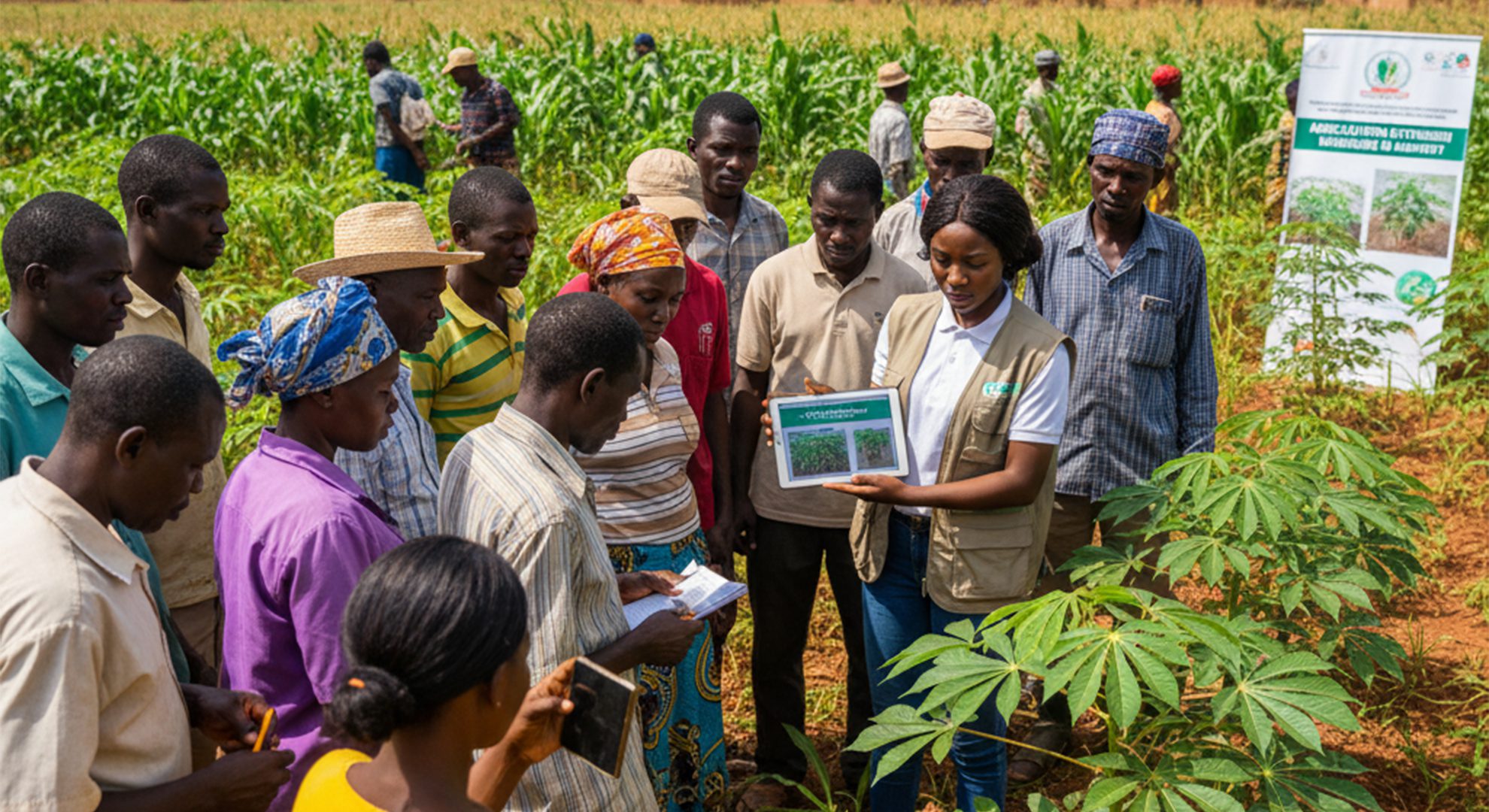
- Training and knowledge sharing on equipment handling and maintenance
- Agricultural extension services to guide farmers in adopting new technologies
- Technical support for sustainable mechanization practices
Through these initiatives, Kossi Ventures is helping to build an ecosystem where technology meets tradition, ensuring Nigeria’s farmers can compete in the global agricultural marketplace.
Challenges and the Road Ahead
Despite the progress, Nigeria still faces hurdles in achieving full-scale mechanization. These include:
- High cost of equipment and limited access to financing
- Poor rural infrastructure (roads, electricity, storage)
- Lack of skilled operators and technicians
However, with public-private partnerships, government incentives, and the growing efforts of companies like Kossi Ventures, the outlook remains highly promising.
Mechanization is more than just machines—it’s about creating a resilient, efficient, and profitable agricultural system that sustains livelihoods and strengthens the economy.
Conclusion: Cultivating the Future of Nigerian Agriculture
The future of farming in Nigeria is bright—and it is mechanized. By investing in modern tools, knowledge, and innovation, we can transform agriculture into a driver of national prosperity and global competitiveness.
At Kossi Ventures Limited, we are proud to lead this transformation. Together with farmers, investors, and partners, we are building a new era of agricultural excellence—one where productivity meets sustainability, and innovation meets opportunity.